

Blog Outline
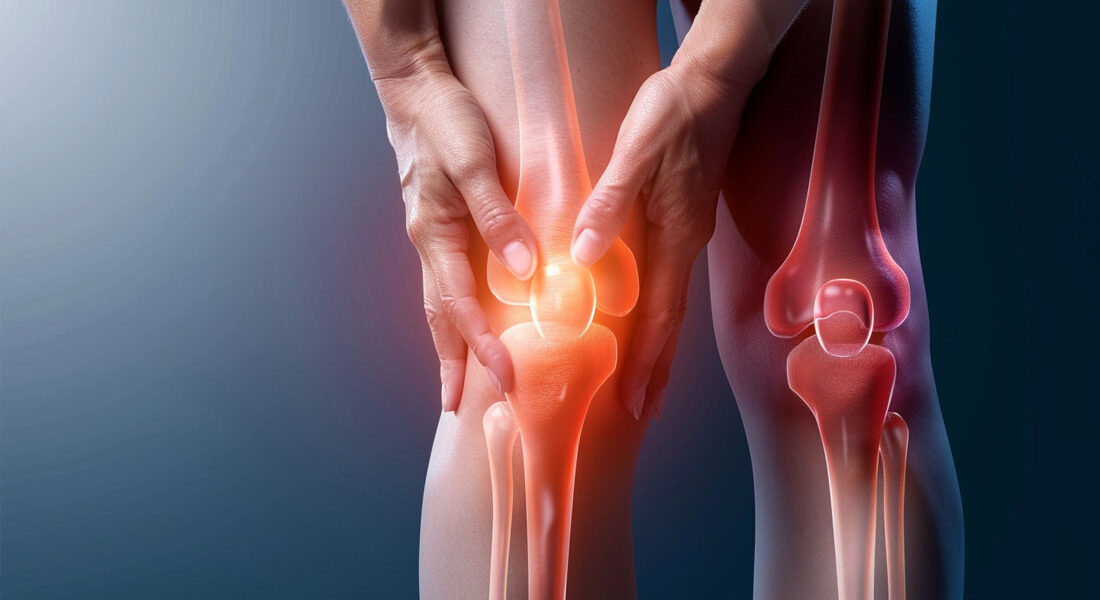
Knee osteoarthritis develops when the cartilage that cushions the joint wears down over time. This leads to inflammation, stiffness, and pain within the knee. But that pain doesn’t always stay localized. There are several reasons why arthritis in the knee can lead to pain that radiates:
1. Altered Movement Patterns
When the knee becomes painful or stiff, it’s common to subconsciously change the way you walk, stand, or shift your weight. These compensation patterns can place extra stress on the muscles and joints in the surrounding areas—especially the thigh, hip, shin, and even lower back.
2. Muscle Overuse or Fatigue
To protect the painful knee, other muscles may pick up the slack. Over time, this can lead to tightness, cramping, or soreness in nearby areas. The quadriceps, hamstrings, calves, and glutes may all become fatigued or strained as a result.
3. Referred Pain
Pain signals in the body aren’t always perfectly localized. Sometimes, inflammation in one area (like the knee) can irritate nerves or tissues that cause discomfort in other regions, even though they’re not damaged themselves. This is known as referred pain.
4. Nerve Involvement or Coinciding Conditions
Although osteoarthritis doesn’t usually cause direct nerve pain, swelling or joint misalignment can irritate nearby nerves. In some cases, radiating pain might also stem from related issues like sciatica, a herniated disc, or hip arthritis—making a thorough evaluation important.
Symptoms of Radiating Pain from Knee Arthritis
If knee arthritis is the root cause of your radiating leg pain, you may experience:
-
A dull or sharp ache that starts at the knee and travels down the leg
-
Increased stiffness after walking, climbing stairs, or standing for long periods
-
Pain in the thigh or shin during or after activity
-
Fatigue in the lower leg, especially if you’re favoring one side of your body
-
Occasional swelling or weakness in the surrounding muscles
How to Manage Radiating Knee Arthritis Pain
Effective treatment starts with addressing both the arthritis and any secondary effects caused by altered movement or muscle strain. Common approaches include:
-
Physical therapy to improve gait, balance, and strength
-
Anti-inflammatory medications to reduce joint swelling
-
Targeted stretching and strengthening exercises for the hips, thighs, and calves
-
Weight management to reduce pressure on the joint
- Corticosteroid injections to reduce acute inflammation
-
Proper footwear and orthotics for better alignment and support
-
Assistive devices like braces or canes, when needed, to offload joint pressure
- Lifestyle strategies such as proper nutrition, adequate sleep and stress management
In more persistent or severe cases, regenerative therapies like platelet-rich plasma (PRP) or shockwave therapy may be used to stimulate healing and reduce pain.
When to Seek Help
Radiating leg pain that doesn’t go away, worsens over time, or interferes with daily movement shouldn’t be ignored. It may signal worsening arthritis or another underlying condition that requires a professional evaluation. Early treatment can help slow joint degeneration and relieve pain more effectively.
Take the Next Step Toward Relief
If you’re experiencing knee arthritis pain that spreads down your leg, you don’t have to live with it. At CORE Sports Medicine & Lifestyle Medicine, we specialize in identifying the true source of your pain and creating personalized, non-surgical treatment plans. Whether it’s advanced regenerative therapies like PRP and shockwave, or guided rehabilitation, our goal is to help you move better—and feel better—long term.
Schedule a consultation today to learn how we can help you regain control of your movement and reduce arthritis-related pain for good.


Leave a Reply