Osteopathic Manipulative Treatment
Osteopathic Manipulative treatment is a hands-on therapy technique used to relieve pain, restore mobility, and improve musculoskeletal function. At Core Sports in Princeton Junction, NJ, our expert team uses evidence-based Osteopathic manipulative techniques to help athletes and active individuals recover from injuries, reduce stiffness, and enhance overall movement efficiency. Whether you’re experiencing chronic pain, recovering from an injury, or looking to optimize performance, Osteopathic manipulative treatment can provide lasting relief and improved function.
 > Osteopathic Manipulative Treatment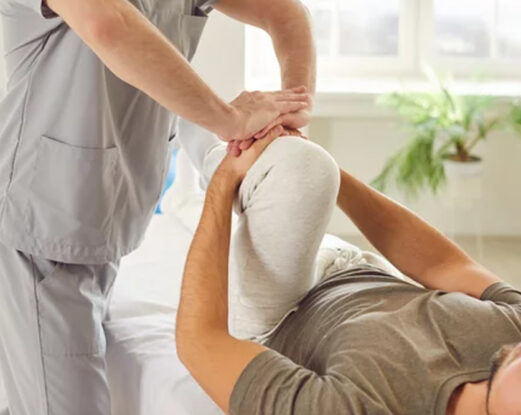
What Is Manipulative Treatment?
Osteopathic Manipulative treatment, also known as manual therapy, involves skilled hand techniques to assess and treat musculoskeletal conditions. This therapy includes joint mobilization, spinal manipulation, soft tissue techniques, and myofascial release to enhance movement and reduce discomfort. By realigning joints, relieving tension in muscles, and improving circulation, Osteopathic manipulative treatment plays a crucial role in sports medicine and rehabilitation.
Unlike passive treatments, Osteopathic manipulative therapy is an active, hands-on approach that focuses on identifying the root cause of musculoskeletal pain and dysfunction. This technique is particularly effective for patients with limited range of motion, chronic pain, or post-injury stiffness, allowing them to regain function without relying solely on medications or invasive procedures.
Techniques Used in Manipulative Treatment
-
At Core Sports, we utilize a variety of hands-on techniques tailored to each patient’s needs:
- Joint Mobilization & Spinal Manipulation: Gentle movements and controlled thrusts to restore normal joint function, reduce stiffness, and relieve discomfort.
- Soft Tissue Mobilization & Myofascial Release: Hands-on techniques that break down adhesions and improve muscle elasticity, helping to release tension and enhance movement.
- Trigger Point Therapy: Direct pressure applied to tight muscle knots to reduce pain and relax overactive muscles.
- Muscle Energy Techniques (MET): A patient-assisted stretching technique that improves joint mobility and reduces restrictions by engaging specific muscle contractions.
- Manual Stretching & Assisted Range of Motion Exercises: Guided movements that enhance flexibility, restore movement efficiency, and promote better posture.
- Craniosacral Therapy: A gentle technique used to relieve tension in the central nervous system, which can be particularly beneficial for patients with concussions, headaches, or chronic pain.
- Instrument-Assisted Soft Tissue Mobilization (IASTM): The use of specialized tools to break up scar tissue and promote tissue remodeling for improved healing and function.
Benefits of Manipulative Therapy
-
- Pain Reduction: Decreases muscle tightness, joint stiffness, and nerve irritation through targeted hands-on techniques.
- Improved Mobility & Flexibility: Helps restore natural movement patterns and enhances range of motion in affected joints.
- Enhanced Athletic Performance: Supports proper body mechanics and movement efficiency, allowing athletes to perform at their highest potential.
- Injury Prevention: Reduces stress on joints and muscles, decreasing the likelihood of future injuries and improving overall resilience.
- Faster Recovery: Aids in the healing process following injury, surgery, or physical stress by promoting circulation and reducing inflammation.
- Drug-Free Pain Management: Provides a natural alternative to pain relief, reducing reliance on pain medications or invasive treatments.
- Better Posture & Alignment: Corrects imbalances in movement and posture, helping to prevent future musculoskeletal issues.
Who Can Benefit from Manipulative Treatment?
Osteopathic Manipulative treatment is suitable for individuals across all activity levels, from professional athletes to those dealing with chronic pain or mobility issues. You may benefit from manual therapy if you:
- Experience frequent joint pain, muscle tightness, or movement restrictions
- Are recovering from a sports injury or orthopedic surgery
- Struggle with postural imbalances or repetitive strain injuries
- Have limited range of motion or flexibility due to aging or inactivity
- Want to improve athletic performance and movement efficiency
- Suffer from tension headaches, migraines, or nerve compression syndromes
Why Choose Core Sports for Manipulative Treatment?
-
At Core Sports, we provide a comprehensive and individualized approach to Osteopathic manipulative treatment. Our team of experienced sports medicine professionals is dedicated to delivering the highest standard of care through evidence-based manual therapy techniques.
- Expert Sports Medicine Team: Our specialists have advanced training in manual therapy and sports rehabilitation.
- Personalized Treatment Plans: Each session is tailored to your unique needs and physical goals, ensuring optimal recovery and performance.
- State-of-the-Art Facility: We utilize the latest techniques and research-backed methods to ensure the best outcomes.
- Comprehensive Approach: We integrate Osteopathic manipulative treatment with other therapies, including physical therapy, strength training, corrective exercises, and injury prevention programs.
- Athlete-Focused Care: Whether you’re a competitive athlete or someone looking to stay active, we prioritize performance enhancement and injury prevention.
How do I become a patient or book an appointment?
It’s simple. Call CORE at 908-617-1140 or email us, and we’ll help you find an open appointment time that works for you. No referral is needed to get started.
Do I need a referral to see Dr. Weinstein?
No. You can book an appointment with CORE without a referral from a primary care doctor, so you can access sports medicine care directly when you need it.
Do I need to be an athlete to see a sports medicine doctor?
Not at all. Sports medicine is really movement medicine. Dr. Weinstein sees competitive athletes, weekend warriors, active adults, and people who simply want to walk, exercise, work, travel, or keep up with their family without pain getting in the way.
What should I expect at my first visit?
Your first visit is intentionally unhurried. Expect about 45–60 minutes with Dr. Weinstein, including a detailed history, hands-on examination, and, when appropriate, in-office musculoskeletal ultrasound. The goal is for you to leave with a clearer understanding of what’s going on and a treatment plan, rather than simply another referral.
What should I bring to my first appointment?
Bring any relevant imaging reports, prior treatment records, medication information, and anything else related to the problem you’re coming in for. If you’ve already had X-rays, an MRI, physical therapy, injections, or other treatment, that information can help Dr. Weinstein understand the full picture.